
Contacts

92 Bowery St., NY 10013

thepascal@mail.com

+1 800 123 456 789

Yeh Bhi Hai Mumbai Meri Jaan 2026
Blog

How Do You Make People Care About What They Can’t See?


How Do You Make People Care About What They Can’t See?
Reflections from Yeh Bhi Hai Mumbai Meri Jaan 2025

Urban poverty is one of the world’s most persistent paradoxes: it shapes cities, drives their economies, and defines their daily rhythms, and yet it remains almost entirely invisible to the people who live alongside it.

Working in this space, we’ve learned that the challenge is not only solving the problem.
It’s helping people notice it– it is about building a movement. 

This year’s Yeh Bhi Hai Mumbai Meri Jaan (YBHMMJ) became a test of that question:
How do you make a city care about something it has learned to overlook?

What emerged were three lessons: personal, organisational, and deeply human.

If a problem is invisible, you must give it form: sound, movement, and emotion.

Data, reports, and presentations rarely shift public imagination.
People respond to what they can feel, not just what they can read.

At YBHMMJ, the goal was not to inform the audience about urban poverty —it was to make them experience its texture.

Art became the bridge.

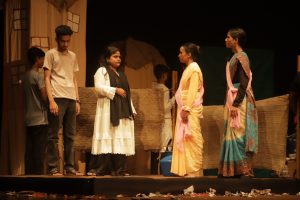
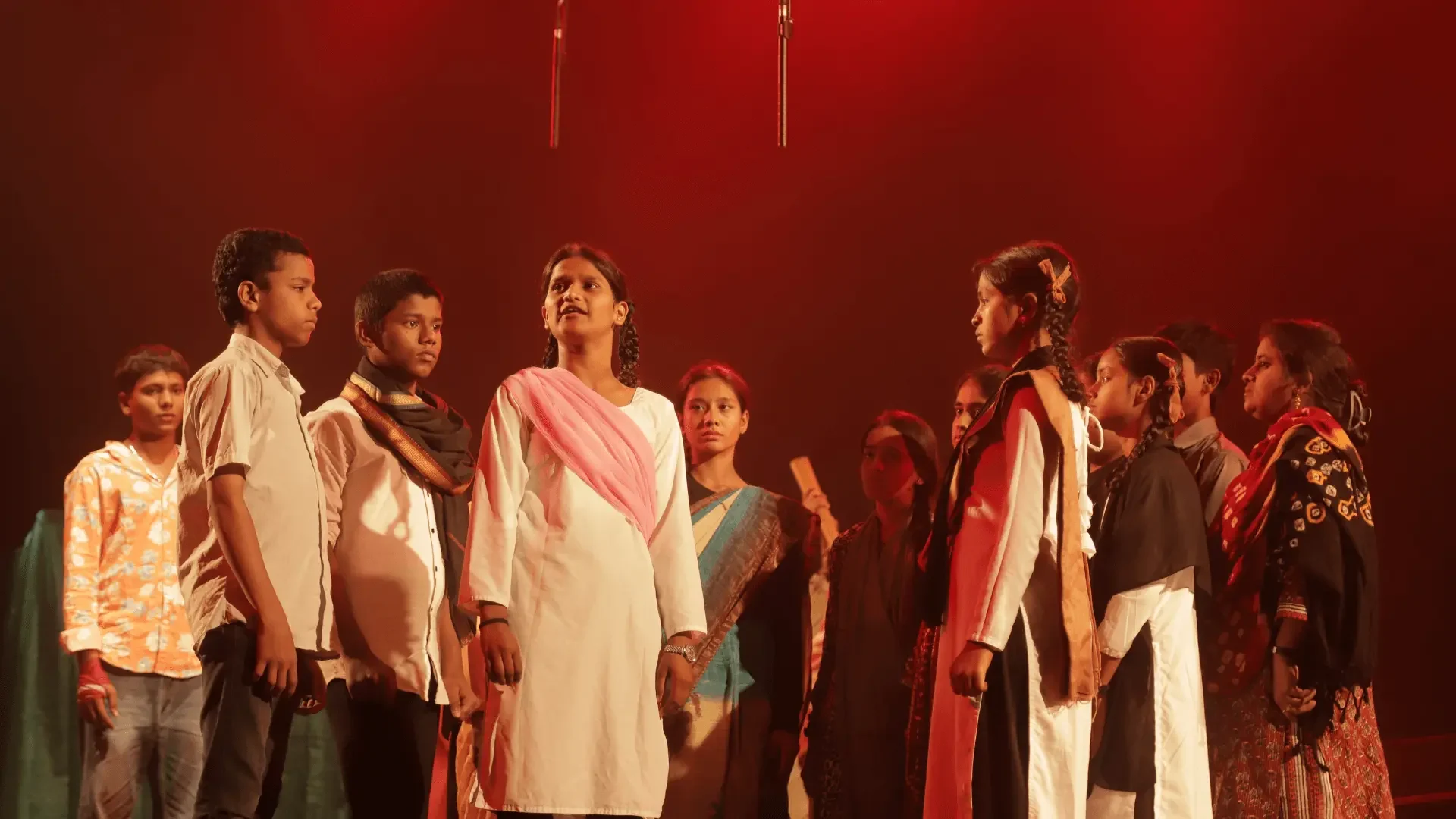
Theatre turned structural gaps into human stories.

Rap turned data into pulse.

Humour softened entry into hard truths.

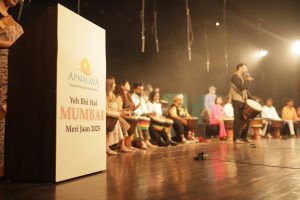
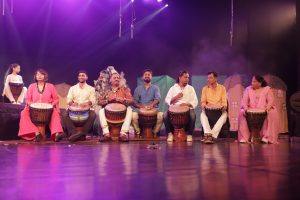
A drum circle made collective action feel physical, rhythmic, alive.

When something is invisible in daily life, you can’t rely on intellect alone.
You need to tap into emotion, because emotion opens the door to understanding.

Events like this look seamless on stage, but behind the curtain is an organisation choosing to show up for the city, together.
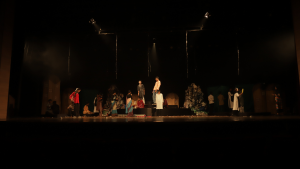
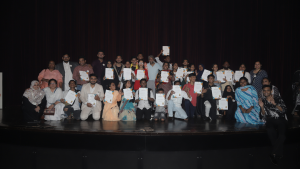
   

What most people didn’t see was the internal choreography required to make this happen.

Teams whose primary responsibilities lie in maternal health, youth engagement, disability inclusion, livelihoods, and civic action — all of them paused their packed calendars to pour energy into one shared goal: making the city show up, notice, and think.

The challenges were real:

  • children managing nerves, conflicts, and rehearsals
  • shifting schedules in high-pressure programme cycles
  • budgets stretched with creativity and resourcefulness
  • logistics that changed by the hour
  • ten different departments aligning around a single narrative

And yet, everyone showed up.

Not because events are glamorous, they very rarely are.

But because visibility is part of justice.

Because telling the story of Mumbai’s invisible communities is as important as working with them every day.

This was teamwork in its truest sense: people stepping outside their silos, absorbing additional work, holding space for each other, and reminding themselves why collective purpose matters.

Children remain the most honest storytellers, and the most powerful teachers.

Rehearsals with children and youth turn into lessons you never plan for.

You see them negotiate disagreements, advocate for each other, hold space for shy peers, and step forward with courage they didn’t know they had.

You see how quickly they absorb responsibility when someone believes in them.

And when they step onto the stage, owning their voices, their identity, their reality, you realise that growth is not just a programmatic outcome, It is a lived process.

Their presence grounded every performance. They reminded us that empowerment grows in the moments when children and youth are trusted with agency.

So what does all this mean for a city like Mumbai? 

It means visibility is not optional.

It is a form of advocacy.

A form of accountability. 

A form of dignity.

When communities tell their own stories this way, the city pauses, and listens.
And when the city listens, change becomes possible.

Urban poverty may remain invisible on most days, but nights like YBHMMJ ensure it is never forgotten.

If you believe in a more inclusive, equitable Mumbai, there’s a place for you.

Whether through volunteering, collaboration, partnership, or simply engaging with the stories of the city- change begins with noticing.

And noticing begins when we decide to show up.

To connect or get involved, reach out to Apnalaya.
wdrynwdx4gt5gcszzogo
Event

Yeh Bhi Hai Mumbai Meri Jaan 2025


An evening that brings together art, awareness, and social impact to build a more equitable Mumbai.

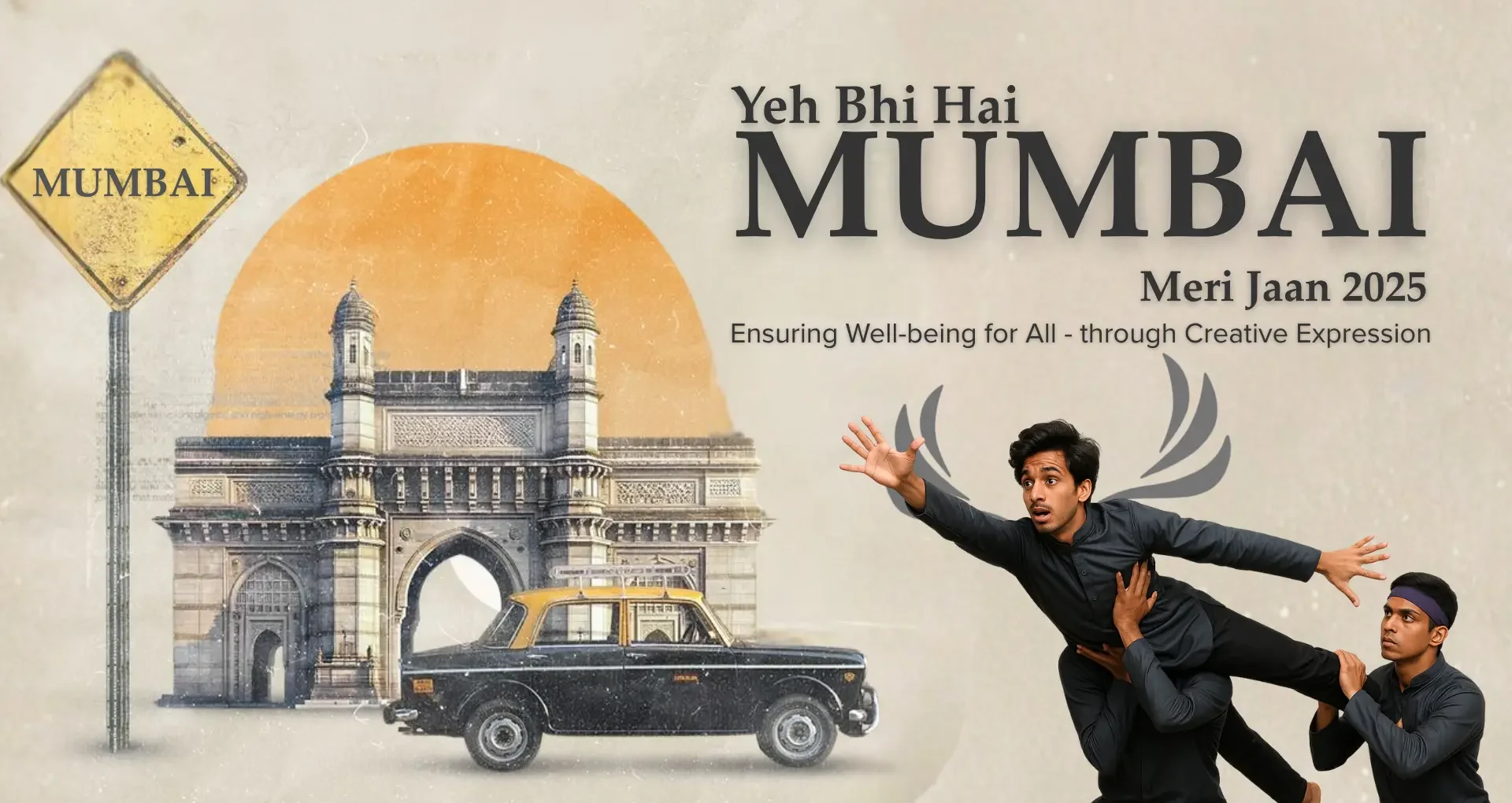
We are delighted to invite you to Apnalaya’s flagship event — Yeh Bhi Hai Mumbai Meri Jaan 2025, an evening that brings together art, awareness, and social impact to build a more equitable Mumbai.

 This year’s theme — “Ensuring Well-being for All – through Creative Expression” — celebrates the spirit of inclusion, resilience, and collaboration that defines our city.

 Through performances by community artists and renowned professionals, the event showcases lived realities from Mumbai’s informal settlements — stories of strength, dignity, and hope that too often go unseen.

📅 Date: 6th November 2025

🕕 Time: 6:30 PM – 8:30 PM

📍 Venue: Bal Gandharva Rang Mandir (Sheila Raheja Auditorium), Bandra West

 Join us as we explore how creativity can spark change and inspire collective action — towards a city where every voice is heard, and every story matters.

Please register using this link: Https://forms.office.com/r/xrjmVDcVXm 

We look forward to sharing this impactful evening with you.

      
xgzcwpltu9ohrdgbwz9s
Event

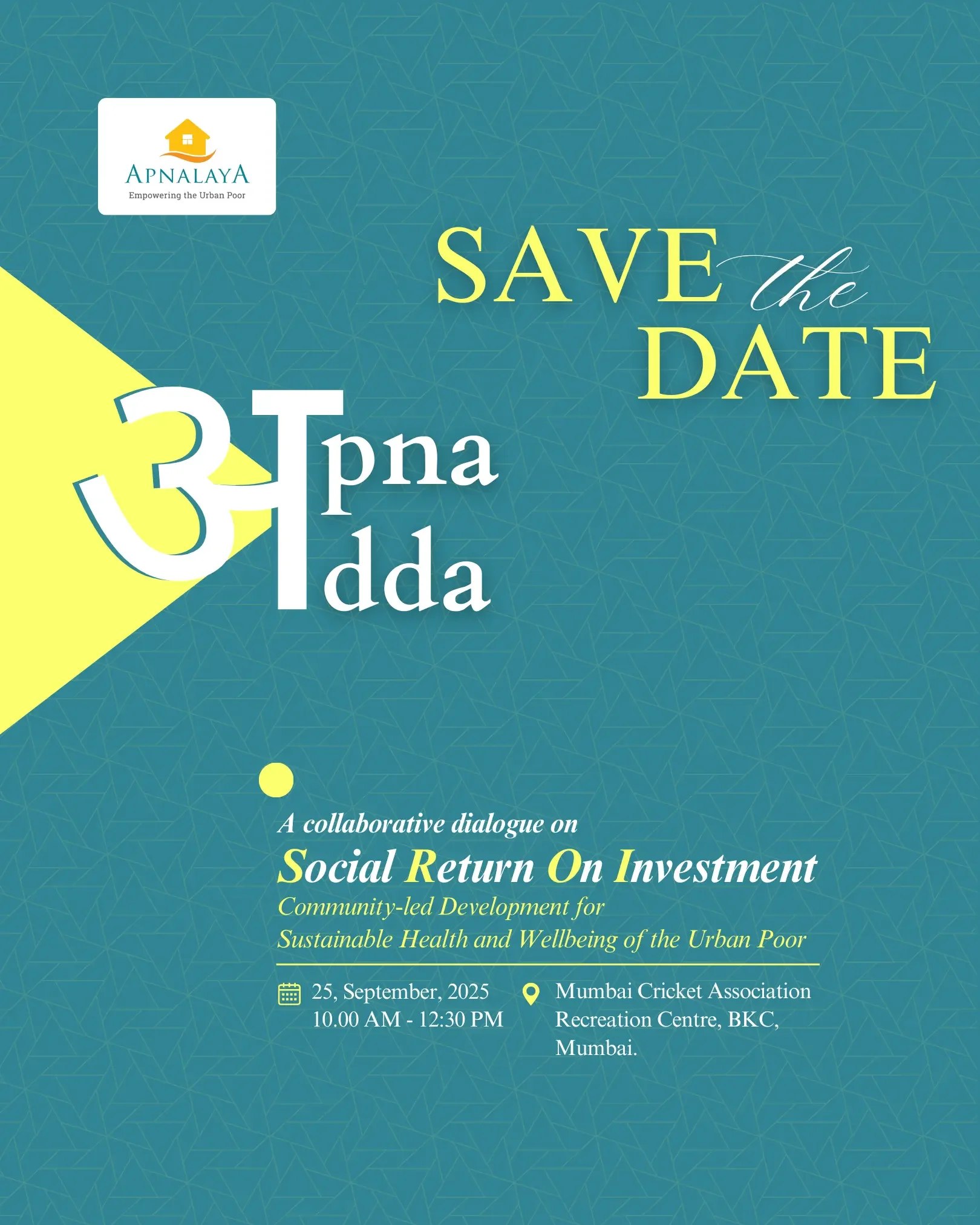
Apna Adda


Theme: Social Return on Investment – The Case for Building Community Capital Date: Thursday, September 25, 2025 Time: 10.00 am- 12.30 pm | Followed by Hi-Tea Venue: Mumbai Cricket Association Recreation Centre, BKC, Bandra East, Mumbai.

Apna Adda brings together diverse relevant stakeholders—community members, partners, and experts—to explore real issues affecting urban informal settlements. Through curated discussions, it drives awareness, alignment, and collaborative action.

The Apna Adda will serve as a platform to:

·      Present findings from the SROI Study on the effectiveness of community collectives.

·      Amplify community voices through firsthand accounts by members of Civic Action Groups, Mother Support Groups, Youth Groups, and others.

·  Facilitate dialogue between corporate and nonprofit leaders to identify pathways for co-investing in sustainable community empowerment models.

·      Launch the Community Collectives Toolkit — a ready reckoner for organisations and funders seeking to build or support similar models.

·      Establish long-term collaborations between stakeholders to invest in locally rooted, citizen-led change in urban slums.

The event will place special focus on Health and Wellbeing, highlighting how community collectives bring change in everyday life:

Why It Matters:

  • Engages changemakers from multiple sectors
  • Fosters solutions through shared dialogue
  • Deepens understanding of the urban poor’s lived reality
ingj43rmz1ulpd5lzs5l
Event

Ye Bhi Hai Mumbai, Meri Jaan!

Voices from the Margins. A Vision for the City.

Our flagship annual event that brings the city’s attention to the stories, struggles, and aspirations of its invisible communities. Through music, theatre, and storytelling, it invites public and private stakeholders to engage with the reality of urban poverty—and act for inclusion.

Why It Matters:

  • Brings community voices to citywide platforms
  • Uses art to communicate urgent issues
  • Influences decision-makers and shifts public narrative

Past Highlights:

2017 – Qissa‑e‑Bahar (Story of Shivaji Nagar) Chembur Fine Art Gallery
A landmark event where Persons with Disabilities performed on a public stage, bringing unheard stories to light.

2018 – Shivaji Nagar Community Issues Sophia Bhabha Auditorium
A platform to voice pressing local issues, bridging communities and decision‑makers.

2019 – On Disability Y. B. Chavan Hall
A powerful showcase highlighting lived experiences of disability through art and dialogue.

2022 – Meri Pehchaan July 2, 2022
A celebration of identity, resilience, and the spirit of Mumbai’s urban poor.

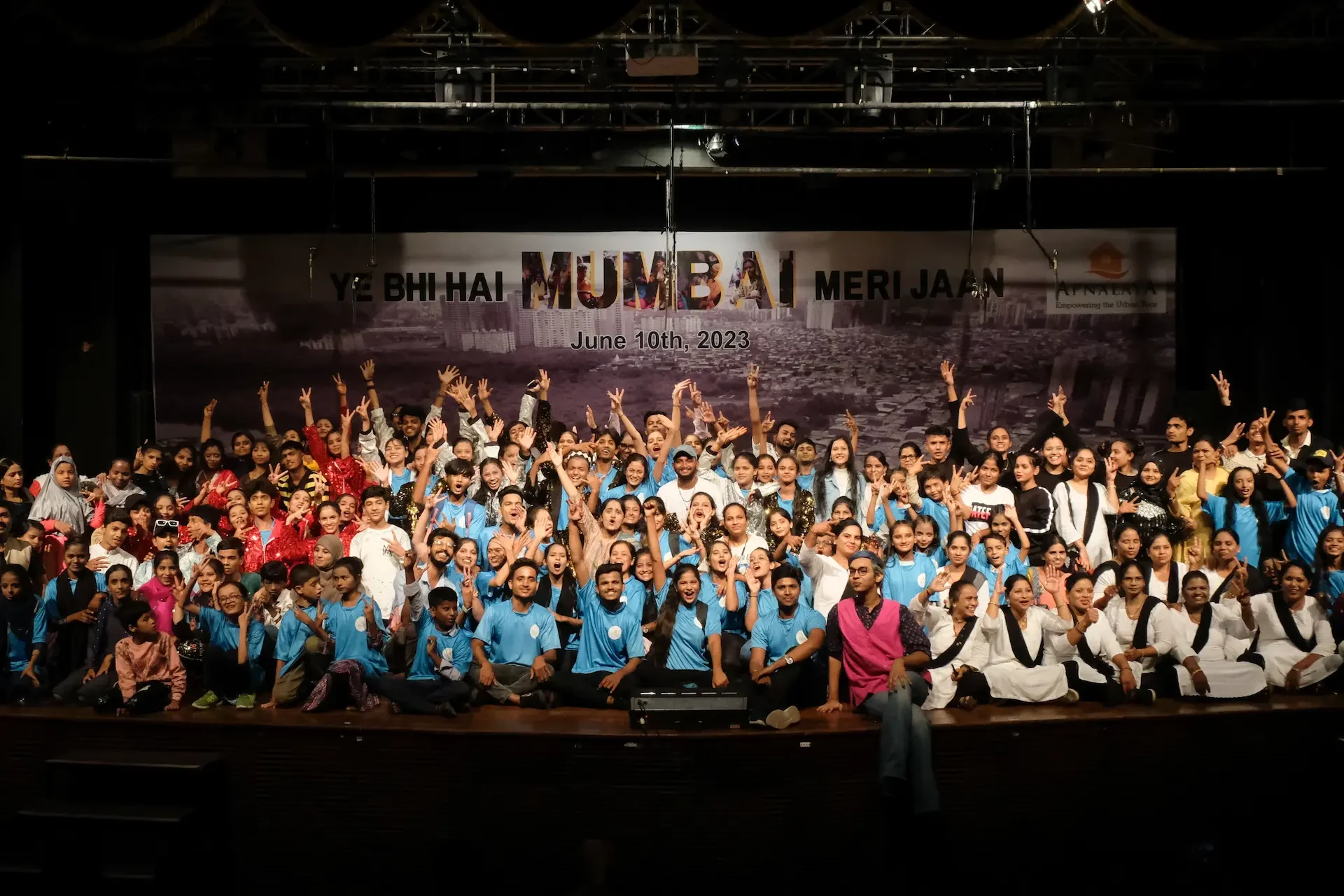
2023 – Kuch Khwahishein Aisi Bhi June 10, 2023
Stories and performances that spoke of aspirations often left unheard.

2024 – International Day for the Eradication of Poverty October 17, 2024 (Thursday)
A convergence with SDG‑1, spotlighting collective action to end poverty and amplify community voices.

mqjyxvcdjhst0hcf2w3s
Event

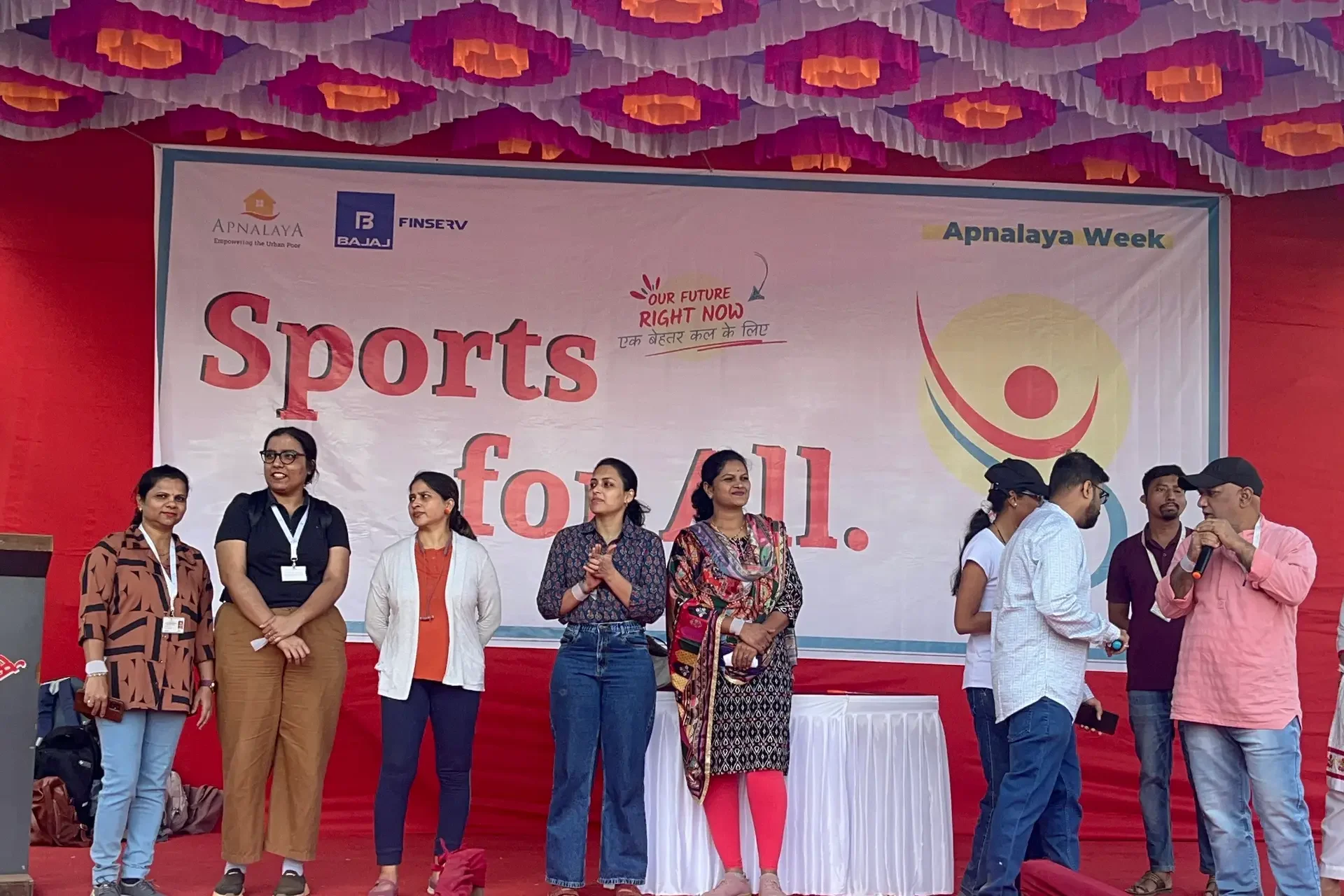
Apnalaya Week

Celebrates the work happening at the grassroots—led by youth, mothers, and community volunteers.

Held every December, Apnalaya Week brings the spirit of volunteerism and people‑led change to the forefront. Aligned with global observances like International Volunteer Day and Human Rights Day, it highlights the work happening at the grassroots—led by the community.

Why It Matters:

  • Spotlights the strength of local leadership
  • Celebrates inclusive volunteerism
  • Sparks motivation and learning across communities